
Your Gateway to Growth and Success!
Your Gateway to Growth and Success!


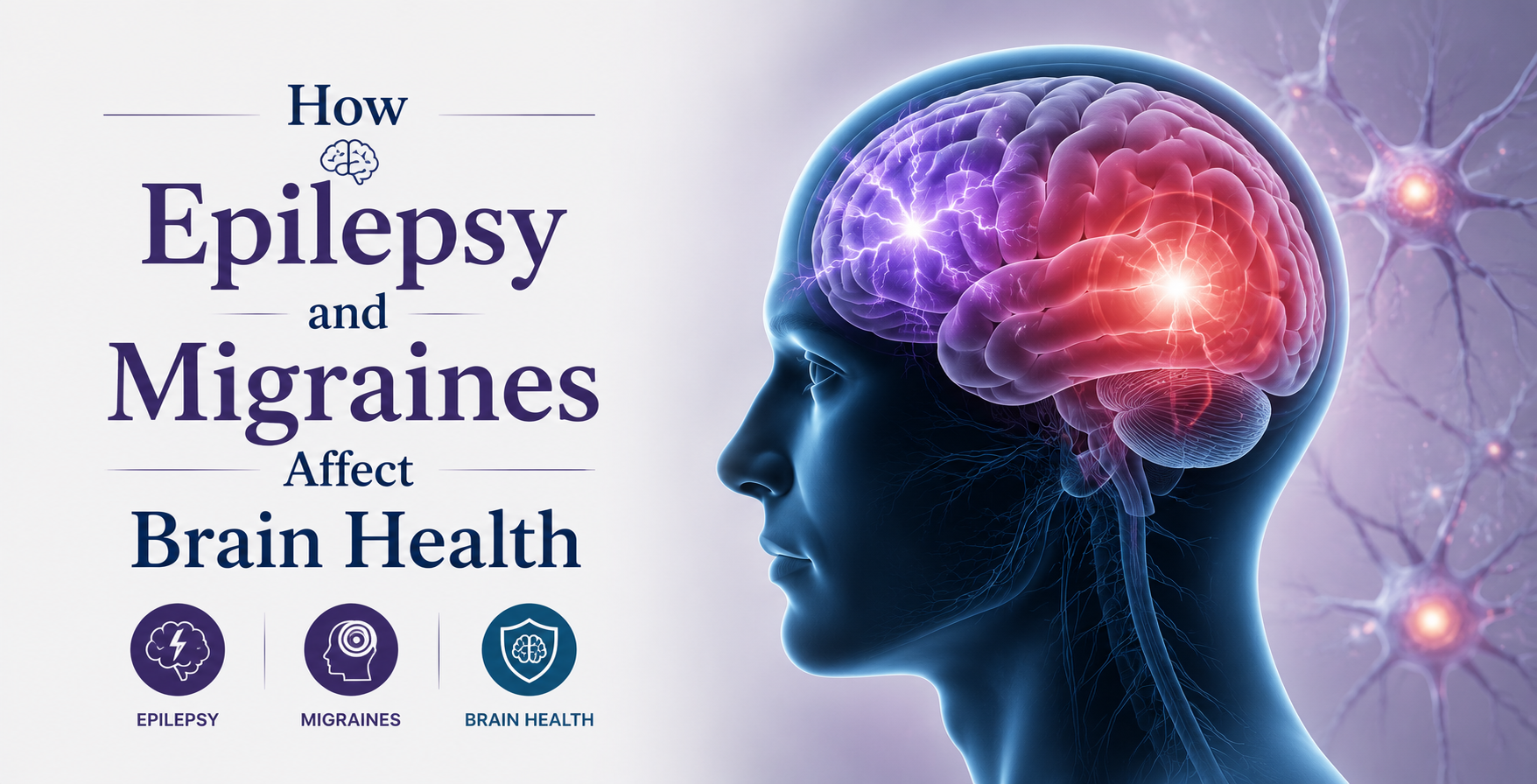
Epilepsy and migraines are two common neurological conditions that can significantly affect brain function and overall quality of life. Although they are different disorders, they share several similarities, including changes in brain activity, genetic factors, and certain triggers. Some people may experience both conditions, making proper diagnosis and treatment especially important. Understanding how epilepsy and migraines affect brain health can help patients recognize symptoms early, seek appropriate medical care, and improve long-term outcomes.
Epilepsy is a neurological disorder characterized by recurrent seizures caused by abnormal electrical activity in the brain. Seizures can vary from brief moments of staring or confusion to full-body convulsions. The condition may result from genetics, head injuries, infections, stroke, or developmental disorders. Effective treatment often involves anti-seizure medications, lifestyle adjustments, and regular follow-up with a healthcare professional.
Migraines are more than just severe headaches. They are a neurological condition that often causes intense, throbbing pain, usually on one side of the head. Many people also experience nausea, vomiting, and sensitivity to light or sound. Some individuals develop an aura before a migraine attack, which may include flashing lights, blind spots, or tingling sensations. Migraines can be triggered by stress, hormonal changes, lack of sleep, dehydration, certain foods, or environmental factors.
Researchers have found that epilepsy and migraines may share similar mechanisms within the brain. Both conditions involve changes in nerve cell activity and communication. People with epilepsy are more likely to experience migraines than the general population, and some migraine symptoms can resemble seizure-related symptoms. Although one condition does not necessarily cause the other, recognizing the overlap helps healthcare providers make an accurate diagnosis and recommend the most suitable treatment.
Managing epilepsy and migraines often requires a combination of medication and healthy lifestyle habits. Patients are encouraged to maintain a regular sleep schedule, manage stress, stay hydrated, eat balanced meals, and avoid known triggers. Keeping a symptom diary can also help identify patterns and improve treatment planning.
Topamac is a prescription medicine containing topiramate, an anticonvulsant medication commonly used to help control certain types of epilepsy and to prevent migraine headaches in adults and eligible patients as prescribed by a healthcare provider. By helping stabilize abnormal electrical activity in the brain, Topamac may reduce seizure frequency. It is also used as a preventive treatment for migraines, helping decrease how often migraine attacks occur. However, it is not intended to treat a migraine attack once it has already started. The medication should always be taken exactly as prescribed, and patients should not stop using it suddenly without medical guidance, as doing so may increase the risk of seizures or other complications.
While Topamac can be effective, it may cause side effects in some individuals, such as dizziness, drowsiness, tingling sensations, difficulty concentrating, weight loss, or changes in taste. Patients should discuss any unusual symptoms or concerns with their healthcare provider. Regular medical checkups are important to monitor treatment response and adjust the dosage if necessary.
In conclusion, epilepsy and migraines are complex neurological conditions that can have a significant impact on brain health and daily living. Early diagnosis, appropriate treatment, healthy lifestyle choices, and consistent medical care can help reduce symptoms and improve quality of life. Medications such as Topamac, when prescribed by a qualified healthcare professional, can play an important role in managing epilepsy and preventing migraines as part of a comprehensive treatment plan. Always consult your healthcare provider before starting, stopping, or changing any medication.